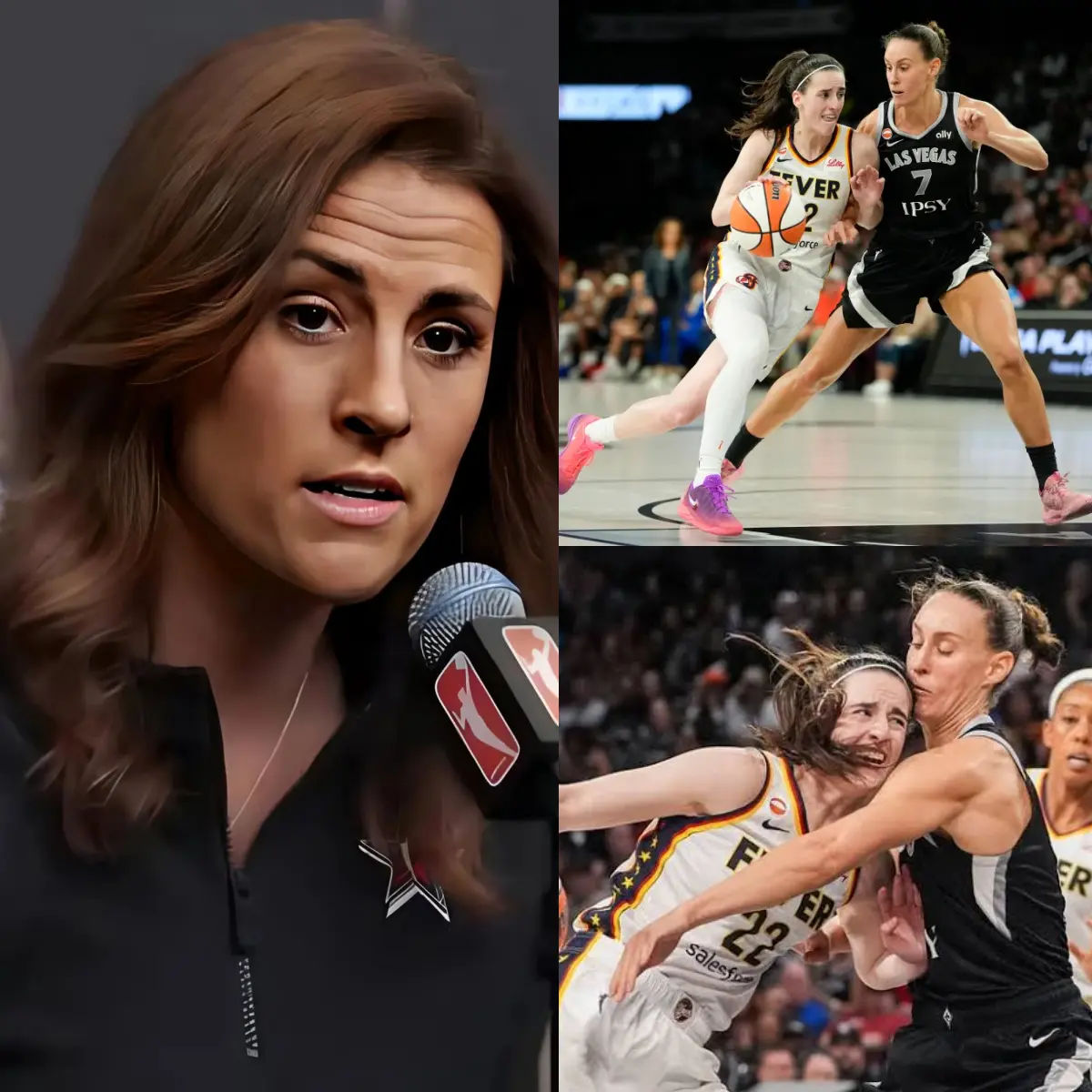
🚨 “DON’T ASK ME TO STAY QUIET.” — A FURIOUS POSTGAME MESSAGE PUTS OFFICIATING, PLAYER SAFETY AND THE INTEGRITY OF INTERNATIONAL BASKETBALL UNDER THE SPOTLIGHT
Let me say this right now before anyone tries to spin it:
What happened tonight was an embarrassment.
Not for the players.
Not for the coaches.
But for the game itself.
I've been around this sport long enough to understand what international-level intensity looks like.
I respect physical basketball.
I respect hard screens.
I respect aggressive drives to the rim.
I respect defenders who body up, fight through possessions and refuse to give an opponent anything easy.
That's basketball.
That's competition.
That's what makes these games worth watching.
But what we witnessed tonight crossed into something completely different.
That wasn't toughness.
It was chaos being rewarded.
It was reckless contact being normalized.
And it was officiating so inconsistent that it didn't simply disrupt the rhythm of the game — it created situations players should never have been placed in.
There's a difference between physical basketball and dangerous basketball.
There's a difference between two athletes attacking the same ball and one player abandoning basic defensive positioning before throwing her body into a play.
Those differences matter.
Especially when athletes are moving at full speed.
And what made one particular sequence even more troubling wasn't simply the contact.
It was everything that happened afterward.
The clapping.
The staring toward the opposing bench.
The extra words.
The celebration.
Whether people watching from home interpreted it as confidence, emotion or provocation, one thing became obvious:
The temperature of the game was rising.
That's exactly when officials have to establish control.
Not by deciding the game.
Not by eliminating physicality.
By establishing a consistent standard.
If something is a foul in the first quarter, it should still be a foul in the fourth.
If one team is allowed to initiate contact, the other team shouldn't suddenly be punished for responding with the same level of physicality.
Players adapt to the whistle.
That's what elite athletes do.
But they can't adapt when the standard changes possession by possession.
One minute, contact is allowed.
The next minute, the same contact produces a whistle.
Then something even more aggressive happens and everyone is told to keep playing.
How exactly are players supposed to understand the boundary?
That's where frustration becomes dangerous.
Because when officials don't establish the line, players begin establishing it themselves.
And nobody should want that.
International basketball is supposed to represent some of the highest-level competition in the world.
These are elite athletes.
Elite coaches.
Elite programs.
Players representing their countries and competing under enormous pressure.
The standard surrounding them should be equally elite.
That includes officiating.
And it includes player safety.
You can't spend every season talking about sportsmanship, safety and protecting athletes, then suddenly treat those principles as optional when the game becomes emotional.
Player safety cannot become negotiable because the score is close.
It cannot disappear because the crowd is loud.
It cannot change because officials don't want to make an unpopular call.
And it certainly cannot depend on which jersey is initiating the contact.
This isn't about demanding special treatment.
It's about demanding the same treatment.
That's the distinction people need to understand.
And let me make something else absolutely clear:
This isn't about losing.
We didn't lose.
This isn't somebody standing in front of a microphone desperately searching for excuses after a defeat.
That's exactly why the issue deserves attention.
It's easy to dismiss officiating criticism after a loss.
People say you're emotional.
You're bitter.
You're blaming referees.
Fine.
But what happens when the concern remains even after the scoreboard goes your way?
Then perhaps it's worth listening.
Because the conversation isn't about protecting a result.
It's about protecting players.
My athletes stayed composed.
They continued executing.
They continued playing basketball.
They didn't allow frustration to completely take them away from the game.
That's what I expect from them.
But composure shouldn't mean silence.

Respecting officials doesn't mean pretending mistakes didn't happen.
And winning doesn't mean ignoring something that could become a much bigger problem later.
That's the responsibility coaches have.
You protect your players.
Not by encouraging retaliation.
Not by escalating confrontation.
By demanding that the rules be enforced clearly enough that retaliation never becomes necessary.
Because here's what worries me most.
Tonight, a player got up.
She walked away.
She continued playing.
Maybe people forget the possession by tomorrow.
But what about next time?
What happens when an athlete doesn't get up immediately?
What happens when uncontrolled contact results in an ankle injury?
A knee injury?
A concussion?
Suddenly everyone will replay the footage and ask why officials didn't recognize that the game had been escalating for several possessions.
We shouldn't need an injury before taking dangerous trends seriously.
That's the point.
Officials don't have an easy job.
Basketball moves incredibly fast.
Bodies collide.
Angles are difficult.
Players exaggerate contact.
Crowds influence perception.
Nobody expects perfection.
But consistency isn't the same thing as perfection.
And accountability isn't an attack.
When the whistle becomes unpredictable, everyone suffers.
Players.
Coaches.
Officials.
Fans.
And ultimately, the credibility of the competition itself.
That's why leadership matters.
The governing body has to establish clear standards.
Officials need support and accountability.
Coaches need clarity.
Players need to know exactly how much contact will be allowed.
Because ambiguity creates escalation.
And escalation creates injuries.
International basketball is too important to allow that.
The athletes have worked too hard.
The coaches have prepared too long.
Fans have invested too much.
We should be discussing extraordinary performances, defensive adjustments, brilliant passing and competitive basketball.
We shouldn't leave an arena wondering whether someone is eventually going to get hurt because nobody wanted to control the physicality before it became dangerous.
So no, I'm not going to stay quiet.
Not when the standard changes by the quarter.
Not when player safety becomes negotiable.
Not when everyone inside the building can see the game becoming increasingly uncontrolled and we're expected to pretend it's simply “physical basketball.”
Physical basketball has rules.
Competitive basketball has boundaries.
Elite basketball requires discipline.
And protecting those standards isn't complaining.
It's protecting the game. 🏀🔥
#WomensBasketball #InternationalBasketball #Basketball #PlayerSafety #Officiating #BasketballNews #Sportsmanship #WomensSports #BasketballFans