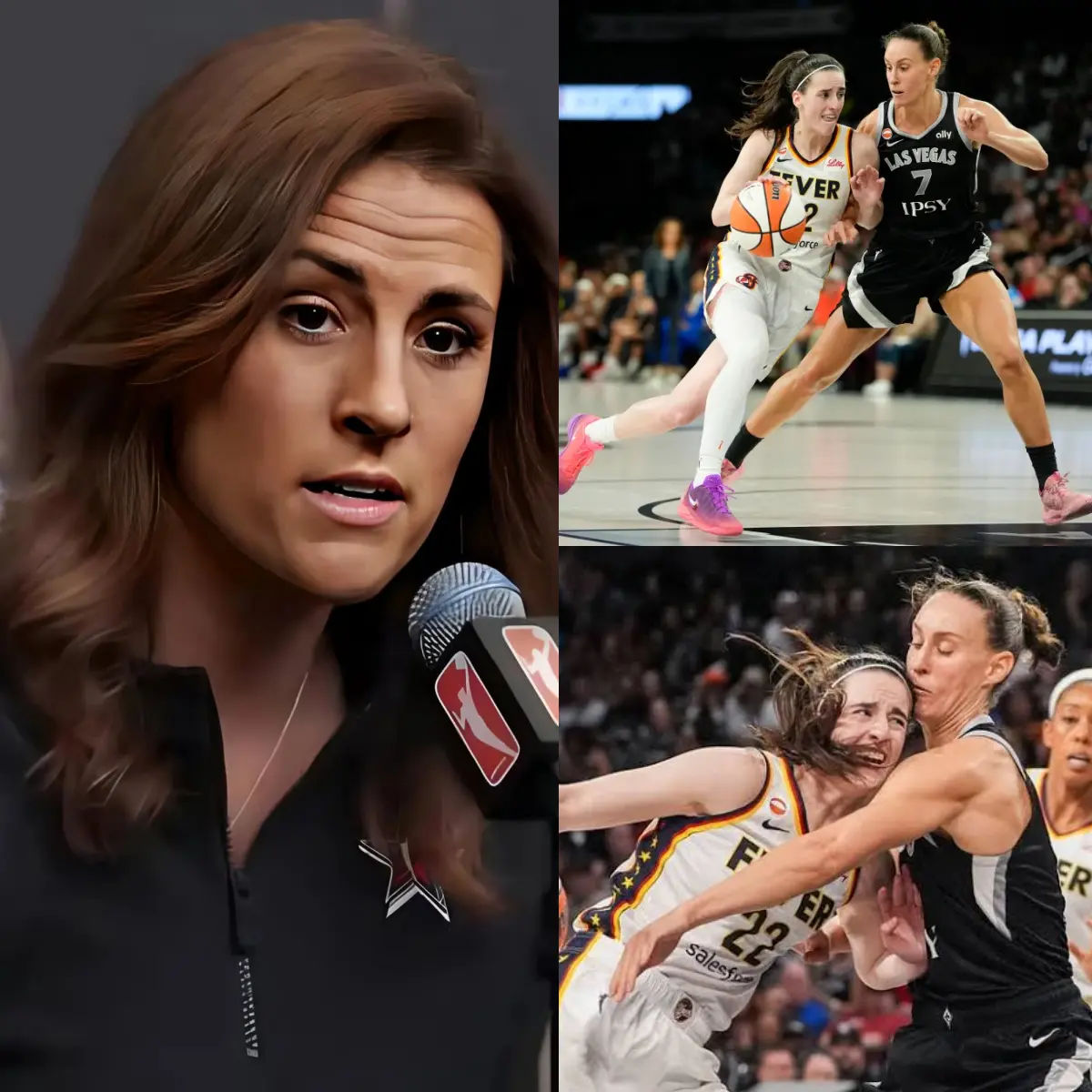
🚨 “SHE DIDN’T SNAP DURING THE GAME — SHE WAITED UNTIL THE CAMERAS WERE OFF.”SOPHIE CUNNINGHAM WENT OFF AFTER FEVER’S HEARTBREAKING LOSS TO DALLAS — AND HER COMMENTS ABOUT WNBA OFFICIATING QUICKLY SET THE LEAGUE ON FIRE.
She didn't lose control on the court.
She didn't storm toward the officials.
She didn't turn the postgame interview into a screaming match.
She waited.
Then, away from the noise of the arena, Sophie Cunningham said exactly what had been bothering her.
And this time, the frustration wasn't about one missed shot.
It wasn't about one possession.
It wasn't even really about losing.
It was about the whistle.
Indiana had just suffered an agonizing 81–80 loss to the Dallas Wings, a game decided by the smallest possible margin.
One point.
One possession.
One decision could have changed everything.
But when Cunningham later discussed the game on her Show Me Something podcast, her attention quickly turned toward the officiating — particularly the treatment of Dallas star Paige Bueckers.
And Cunningham made something clear immediately.
This wasn't personal.
She praised Bueckers.
She made it clear she respected her ability.
She even said she'd like to play alongside her someday.
Then came the criticism.
According to Cunningham, officials were giving Bueckers “every freaking whistle.”
Her frustration centered on what she viewed as inconsistency.
If contact involving Bueckers was going to draw whistles, Cunningham argued, Indiana's guards deserved the same standard.
That distinction matters.
Because social media quickly transformed the story into something even more explosive.
Posts began using words like:
“RIGGED.”
“FIXED.”
“EXPOSED.”
But Cunningham did not provide evidence that officials intentionally rigged the game.
What she publicly criticized was the consistency of the officiating.
That's a serious complaint.
But it's different from proving corruption.
And the actual story was already dramatic enough without adding something Cunningham hadn't established.
Earlier in the game, Cunningham herself had been assessed a Flagrant 1 involving Bueckers during a three-point attempt.
So when the final margin became one point, every controversial whistle naturally received even more scrutiny.
Fans started replaying possessions.
Screenshots circulated.
Slow-motion clips appeared.
People counted fouls.
They debated contact.
They compared how Indiana's players were defended with how Bueckers was defended.
Suddenly, the final score wasn't the only story.
The officiating became the story.
And Cunningham wasn't finished.
She had already developed a reputation for being unusually willing to criticize WNBA officiating publicly.
Earlier that summer, she had been fined after posting a TikTok aimed at referees.
She'd also discussed officiating on her podcast.
So she understood something important before making these comments:
Speaking publicly could cost her money.
She spoke anyway.
And later, Cunningham confirmed exactly what many fans expected.
The WNBA fined her again.
She joked that she had become “3-for-3” on receiving fines through the early episodes of her podcast.
That transformed the controversy again.
Now fans weren't simply debating whether Cunningham was correct.
They were debating whether players should be punished for publicly criticizing officiating.
Some argued professional leagues need rules limiting public attacks on officials.
Referees already operate under enormous pressure, and leagues have an obvious interest in preventing players and coaches from turning every controversial loss into accusations against officials.
Others saw Cunningham's willingness to accept fines as evidence that she genuinely believed something needed to change.
And then there was Paige Bueckers.
Her response could easily have escalated everything.
Instead, when asked about Cunningham's criticism, Bueckers kept things remarkably simple.
She said everyone was entitled to their own personal opinion.
No counterattack.
No insult.
No social-media war.
That response prevented a refereeing debate from becoming a personal feud between two players.
And that's important because Cunningham's criticism wasn't fundamentally about Bueckers.
It was about how Bueckers was being officiated compared with other players.
There's a major difference.
Star treatment has been debated across professional sports for decades.
NBA fans argue about it.
NFL fans argue about quarterbacks getting favorable calls.
Soccer fans argue about superstar forwards receiving whistles.
The WNBA is no different.
As certain players become increasingly prominent, every foul call involving them receives additional scrutiny.
And Cunningham's complaint tapped directly into that conversation.
Her argument was essentially straightforward:
Whatever the standard is, apply it consistently.
That's where this story becomes bigger than one Fever-Wings game.
Players can adjust to physical basketball.
They can adjust to tightly officiated basketball.
What frustrates athletes is believing the standard changes depending on who has the ball.
That perception can destroy confidence in officiating even when there is no evidence of intentional bias.
And perception matters.
If players don't understand what constitutes a foul, frustration grows.
If fans believe similar contact produces different outcomes, trust erodes.
If officials become the central conversation after close games, the basketball itself disappears underneath controversy.
That's why Cunningham's comments resonated.
Not because she proved the game was “rigged.”
She didn't.
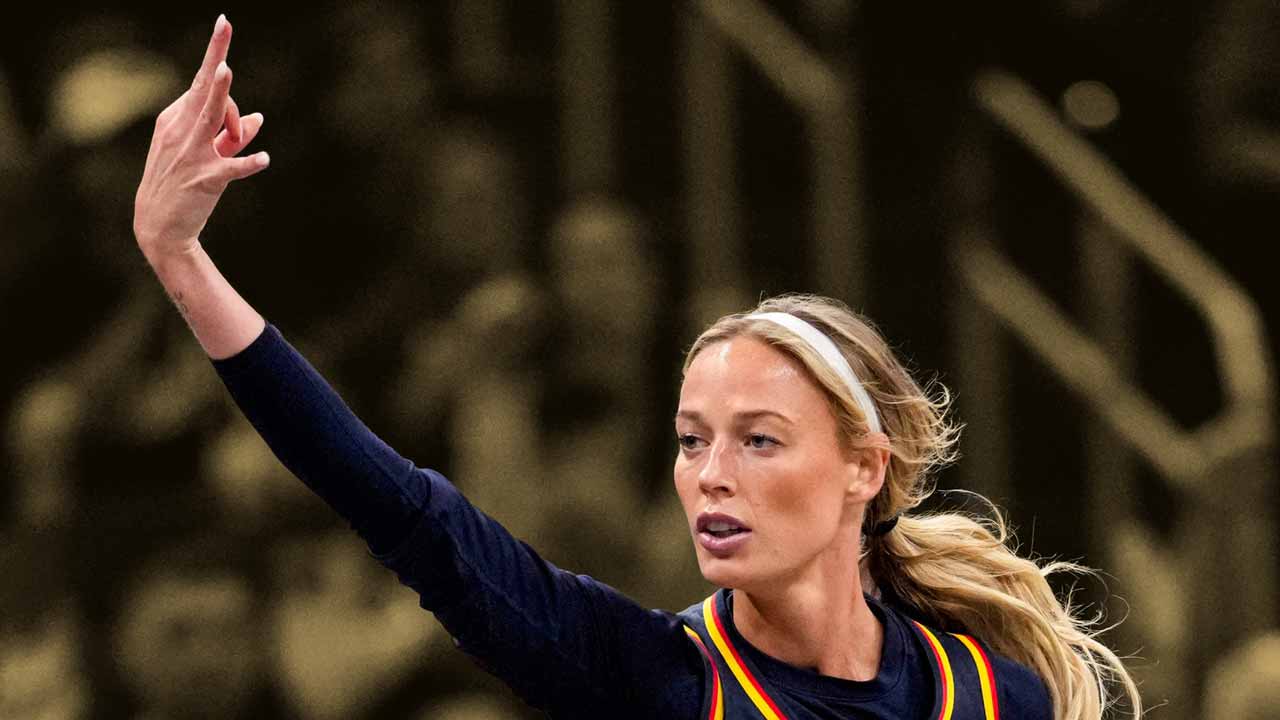
But because she publicly articulated a frustration many basketball fans already recognize:
Why does one piece of contact produce a whistle while something that appears almost identical doesn't?
There may be legitimate explanations.
Positioning matters.
Angles matter.
Timing matters.
Officials see plays at full speed rather than through ten slow-motion replays.
Refereeing professional basketball is extraordinarily difficult.
But players are still allowed to be frustrated.
And Cunningham clearly was.
That's what made the aftermath so compelling.
The game ended.
The cameras moved on.
The scoreboard became final.
But Cunningham's frustration didn't disappear when she left the floor.
She waited.
She spoke.
The comments went viral.
Then came the fine.
And instead of ending the conversation, the punishment arguably gave fans another reason to keep talking.
One important piece of the viral version, however, remains unsupported:
There is no reliable basis here for claiming Cunningham proved referees rigged the Fever's loss, nor should an inflammatory quote such as the league “protects narratives more than players” be attributed to her without an authentic source.
Her real comments were already direct enough.
She believed Bueckers received favorable whistles.
She disliked what she saw as inconsistency.
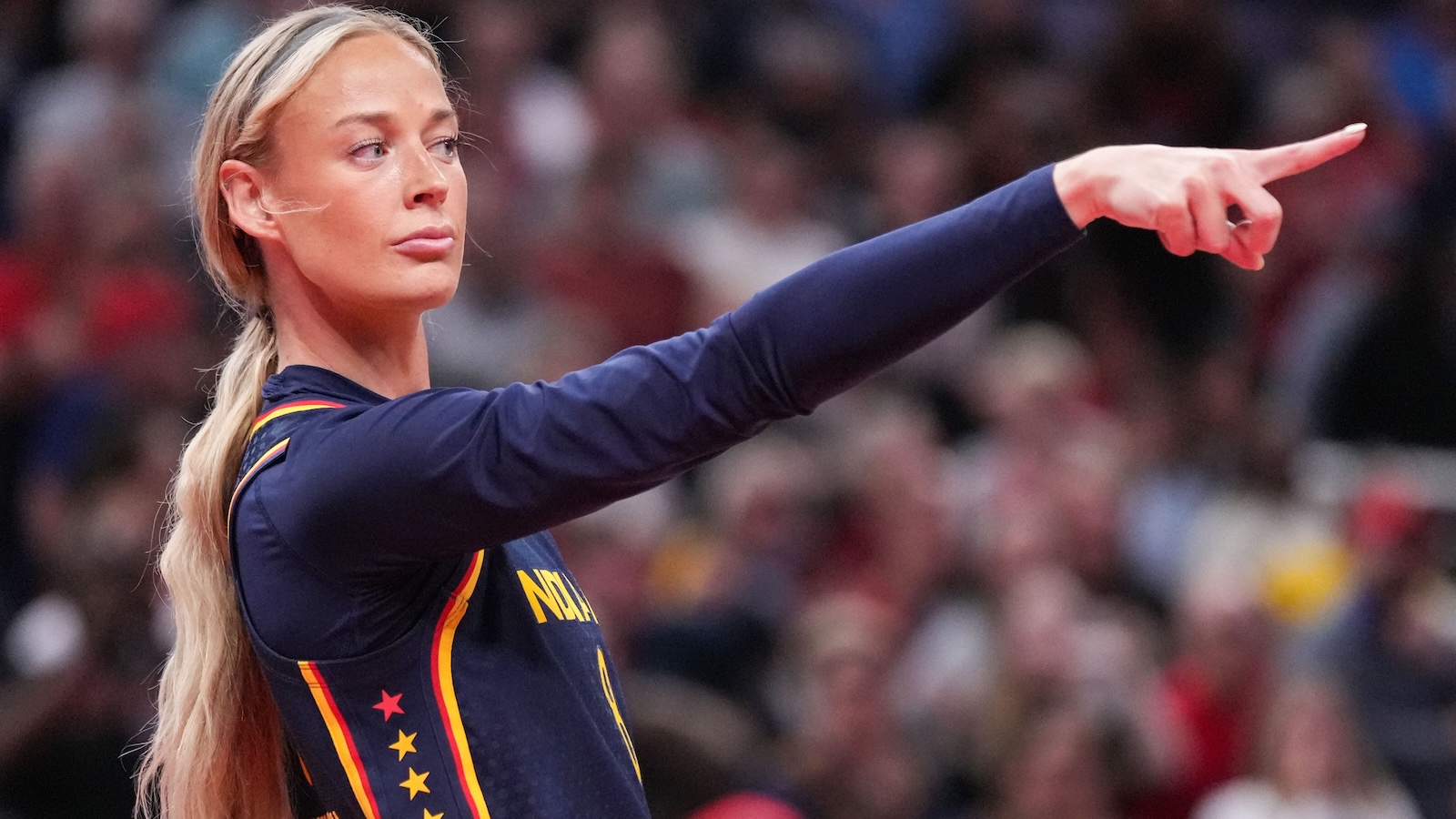
And she was willing to say so publicly despite knowing there could be consequences.
That's the story.
And perhaps that's why Cunningham continues generating so much attention.
She doesn't always choose the safest answer.
She doesn't always avoid controversy.
And apparently, even a fine isn't necessarily enough to keep her silent.
The Fever lost by one point.
Cunningham questioned the whistle.
The league fined her.
But the argument over WNBA officiating?
That was only getting started. 🏀🔥
#SophieCunningham #IndianaFever #PaigeBueckers #DallasWings #WNBA #Fever #WNBANews #WNBARefs #WomensBasketball #Basketball
❤️ Follow our page for more daily Sophie Cunningham photos, videos, and WNBA highlights!